Categories
Environment Flooding & Water Damage Healthy Home Inspector's Notebook Insurance Mold Mold Testing Testing vs. Remediation

Before You Approve a Mold Claim: What Every Adjuster Should Verify

Before You Approve a Mold Claim: What Every Adjuster Should Verify

By Robert Weitz

For an insurance adjuster evaluating a mold claim after a leak, burst pipe, storm, or other water intrusion, finding mold is only part of the equation.

The more important question is: Did this loss cause the mold, or was the mold already there?

That distinction can significantly affect how a claim is evaluated. Mold can begin growing quickly after water exposure, but it can also remain hidden behind walls, beneath flooring, around plumbing, and in other areas where moisture problems have existed for weeks or months- or longer.
Before determining the scope of a mold-related claim, adjusters need reliable information about the source, extent, and conditions surrounding the mold growth.

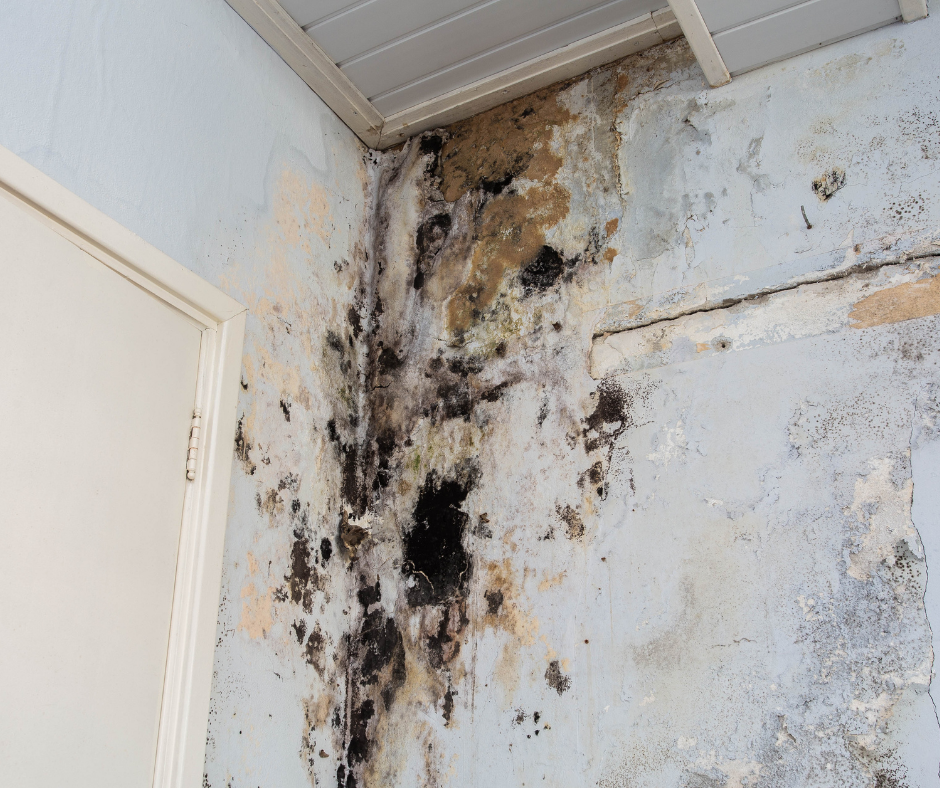
mold remediation

Can Mold Develop from a Recent Water Loss?

Yes. Mold can begin growing within 24 to 48 hours after water exposure, particularly when wet materials are not dried quickly.
That means a burst pipe, roof leak, sewage backup, flooding event, or other water intrusion can create conditions for mold growth shortly after the loss.
But the presence of mold after a water event does not, by itself, establish that the event caused all of the mold that is discovered.
A property may already have moisture problems from previous leaks, damp basements, HVAC condensation, plumbing issues, high humidity, or other sources.

Mold can also grow in hidden areas where it may go unnoticed.

For an adjuster, the goal is to determine what conditions exist at the property and obtain objective information that can help distinguish the current water event from a potentially older problem.

mold testing for sick building

What Should an Adjuster Verify Before Approving a Mold Claim?

1. What caused the water intrusion?

Start with the source.
Water damage can come from many places, including burst pipes, roof leaks, sewage backups, flooding, plumbing fixtures, HVAC condensation, and other moisture sources.
Understanding where the water entered the property helps establish which areas would reasonably have been affected by the reported event.
An environmental inspection can then evaluate conditions in those areas and determine whether mold is present.

2. Does the location of the mold correspond with the reported loss?
Mold is often hidden.

Common locations include the backside of drywall, wallpaper, and baseboards; beneath carpeting and flooring; inside ceiling areas; around plumbing; and within HVAC systems.
If mold is discovered well beyond the area associated with the reported water intrusion, that deserves a closer look.
The question becomes whether the current event created the conditions that allowed the mold to grow, or whether another moisture source may be involved.

3. Are there signs of a separate or long-standing moisture problem?

Adjusters should look beyond visible mold. Musty odors, damp areas, condensation, peeling paint or wallpaper, water staining, and other moisture-related conditions can signal that a property has an existing moisture problem.

Basements, attics, bathrooms, kitchens, and other moisture-prone areas can be especially vulnerable.

The presence of these conditions does not automatically establish that mold predates a claim. It does mean that additional investigation may be warranted before attributing the entire mold problem to a single recent event.

4. What do the moisture readings and mold samples show?

A professional mold inspection provides information that a visual inspection alone cannot.

In addition to visual inspections, RTK inspectors take moisture readings of affected building components, use thermal image cameras, check temperature and humidity levels and collect surface and air samples when appropriate. Laboratory analysis can identify the types of mold present and help assess conditions within the structure.

This gives the adjuster documented findings to consider when evaluating the claim rather than relying solely on visible growth or a remediation estimate.

5. Was the property tested after an earlier mold loss?

This can be particularly important when a property has a history of water damage or mold remediation.

After remediation, independent clearance testing can document whether the mold was properly removed. That record may become important if another water loss occurs later.

Without documentation showing that the remediation was properly and completely finished after previous repairs, questions may arise about whether newly discovered mold resulted from the latest event or remained from an earlier problem.

For adjusters, previous inspection and clearance reports can therefore provide useful context when reviewing a new claim.

Mold remediation


Why Independent Mold Testing Matters to Insurance Adjusters

The company determining the extent of a mold problem should not have a financial interest in making that problem larger.
RTK Environmental performs environmental testing and inspections but does not perform remediation. This eliminates the financial incentive to expand the scope of remediation work.

For insurance companies and adjusters, independent testing can provide:

• An objective inspection of the affected property
• Moisture readings and mold sampling when appropriate
• Laboratory analysis and interpretation
• A clearly written inspection report
• A defined scope of work and remediation plan when mold is found
• Post-remediation clearance testing to verify that the work was completed properly
Independent findings give the adjuster, insured, and remediation contractor a common factual starting point.

How Quickly Should Mold Testing Be Performed After Water Damage?

As quickly as practical.
Mold can begin growing within 24 to 48 hours after water exposure. Delays can allow conditions inside walls, beneath flooring, or in other damp materials to change.
RTK works with insurance companies and claims adjusters and can generally perform inspections within one to two business days. Inspection reports can be returned quickly, in some cases in as little as 24 hours, helping adjusters move claims forward and potentially limit additional living expenses.

What Documentation Can Help Determine Whether Mold Is Pre-Existing?

There is no single observation that automatically proves when mold began growing. The stronger approach is to build a documented picture of the property and the reported loss.

That can include the location and source of the current water intrusion, moisture readings, mold sampling and laboratory analysis, evidence of other moisture sources, previous environmental inspection reports, and post-remediation clearance reports from earlier losses.

Together, these findings can help an adjuster evaluate whether the mold discovered is consistent with the current event or whether additional investigation of pre-existing conditions is needed.

Before You Approve the Claim, Verify the Mold

A water loss and a mold problem occurring at the same property do not automatically answer the question of causation.
Before determining the appropriate scope of a mold-related claim, establish what is there, where it is, what moisture conditions are present, and whether there is evidence of another source or previous problem.

Independent environmental testing gives adjusters objective documentation to make that evaluation.
Need independent mold testing for an insurance claim?

RTK Environmental Group works with insurance companies and claims adjusters throughout New York, Northern New Jersey, and Connecticut, providing independent environmental inspections, clear reporting, remediation scopes, and post-remediation clearance testing.


Categories
Asbestos Construction Dust Inspector's Notebook Testing & Abatement

Asbestos FAQ: Residential and Commercial Properties

Asbestos FAQ: Residential and Commercial Properties
westchester asbestos testing

What is asbestos?

Asbestos is a naturally occurring mineral that was widely used in building materials from the 1940s through the late 1980s because of its fire resistance, durability, and insulating properties. Although the EPA attempted to ban asbestos in 1989, that ruling was overturned. As a result, asbestos is still technically legal in the United States and remains present in many older residential and commercial buildings.

Why is asbestos dangerous?

Asbestos is dangerous when fibers become airborne and are inhaled. This usually happens when asbestos-containing materials are damaged or disturbed during renovation, demolition, water damage, or deterioration. Once inhaled, fibers can lodge deep in the lungs and cause long-term health issues.

Health risks associated with asbestos exposure include:

  • Asbestosis
  • Lung cancer
  • Mesothelioma, an aggressive and often fatal cancer

According to the U.S. Department of Labor, there is no safe level of asbestos exposure.

Is asbestos always a health hazard?

No. Asbestos is often considered low risk if materials are intact, undamaged, and not disturbed. When asbestos fibers are encapsulated within solid building materials, they are less likely to become airborne. The risk increases significantly when materials are cut, scraped, drilled, sanded, or broken.

Where is asbestos commonly found?

Asbestos may be present in many building materials, especially in structures built before 1980.

Common locations include:

  • Pipe and boiler insulation
  • Shingles and cement siding
  • 9” x 9” floor tiles
  • Popcorn ceilings and acoustic ceiling tiles
  • White tape on heating ducts
  • Flooring adhesives and mastics
  • Plaster, drywall, and joint compound
  • Vermiculite attic insulation

Vermiculite insulation is especially concerning because it can aerosolize easily, and testing results are often unreliable. It is safest to assume vermiculite contains asbestos unless proven otherwise. The EPA states that “if you have vermiculite insulation in your home, you should assume this material may be contaminated with asbestos and be aware of steps you can take to protect yourself and your family from exposure to asbestos.”

How do I know if my home or building has asbestos?

Asbestos cannot be identified by sight alone. If a building was constructed before 1980, it likely contains asbestos somewhere. Confirmation requires professional sampling and laboratory analysis performed by a licensed asbestos inspector.

When should asbestos testing be done?

Asbestos testing is recommended:

  • Before renovations, remodeling, or demolition
  • Before purchasing older residential or commercial properties
  • After water or fire damage that requires material removal
  • When applying for permits that require asbestos documentation
  • Before construction begins in regulated jurisdictions

Some states require asbestos testing and documentation before work can legally begin.

Can a home inspector or building inspector identify asbestos?

Not definitively. Standard inspections are visual and non-invasive. Inspectors may flag materials that could contain asbestos, but confirmation requires destructive sampling such as drilling or scraping. Because of this, asbestos testing is usually not included in routine inspections.

What should homeowners do if asbestos is found?

Do not panic. If asbestos-containing materials are intact and no renovation is planned, they are often safe to leave in place. If materials are damaged or remodeling is planned, licensed abatement professionals should be hired. Some states require testing and abatement before work begins.

Commercial Asbestos FAQs

Why is asbestos testing important for commercial buildings?

Commercial properties face additional regulatory, liability, and occupancy concerns. Asbestos exposure can impact employees, tenants, contractors, and the public. Testing helps ensure compliance, protect occupants, and prevent costly work stoppages.

When is asbestos testing required for commercial projects?

Testing is commonly required:

  • Before demolition or major renovation
  • After water or fire damage
  • For insurance claims
  • When required by lenders or regulatory agencies
  • Prior to permitting in certain jurisdictions

In New York City, asbestos surveys such as ACP5 are often required when filing with the Department of Buildings, and ACP7 notifications may be necessary for regulated projects.

How is commercial asbestos testing performed?

Licensed inspectors evaluate suspect areas and collect bulk samples, typically small in size. Samples are sent to accredited laboratories for analysis. Air sampling may also be conducted to determine whether asbestos fibers are present in occupied spaces or to clear an area after abatement.

Results are provided in a detailed report that identifies locations, conditions, and next steps.

What happens if asbestos is disturbed during a commercial project?

If asbestos is disturbed without proper controls:

  • Work may be halted
  • Regulatory violations may occur
  • Licensed abatement may be required
  • Hazardous waste disposal rules apply
  • Liability risks increase

Testing before work begins helps avoid these disruptions.

asbestos testing construction

Is asbestos abatement required in commercial buildings?

Abatement is required when asbestos-containing materials are damaged, friable, or will be disturbed during work. Many projects also require documentation, monitoring, and clearance testing to meet federal, state, and local regulations.

How is asbestos testing done?

A licensed inspector identifies suspect materials and collects samples, often about the size of a quarter. Samples are sealed and sent to an independent, accredited laboratory. Air samples may also be collected to assess airborne fiber levels or confirm clearance after abatement.

Once results are available, findings are reviewed and explained in a clear, easy-to-understand report, often with rapid turnaround.

Why asbestos testing matters

Testing protects health, ensures regulatory compliance, supports safer renovations, and reduces legal and financial risk. Whether residential or commercial, the safest approach to asbestos is knowing where it is and managing it correctly.

If you need guidance, RTK Environmental provides residential and commercial asbestos testing, air sampling, clearance testing, and abatement management support.

When it comes to asbestos, guessing is never the safe option. Knowing is.

Categories
Environment Inspector's Notebook Soil and Water

Is Your Water Really Safe? Debunking Myths and the Importance of Regular Testing

Is Your Water Really Safe? Debunking Myths and the Importance of Regular Testing

Why Water Testing Matters
Your water may look crystal clear, but it doesn’t mean it’s clean. Invisible contaminants—including lead, arsenic, radon, pesticides, and harmful bacteria—can seep into your water supply without warning. Whether your home uses well water or a public source, testing is the only way to know what’s in your water and how to keep it safe.

Common Myths About Water Purity

Myth 1: “If my water tastes fine, it must be safe.”
False. Many dangerous contaminants have no taste, color, or odor. Lead, for example, is completely undetectable without a test but poses serious health risks, especially for children.

Myth 2: “Public water systems are always safe.”
Not necessarily. Even if your town meets federal standards, contaminants can enter your water between the treatment plant and your faucet. Aging pipes, plumbing corrosion, or local groundwater issues can all introduce toxins.

Myth 3: “Well water is naturally clean.”
Another misconception. Private wells are not regulated, and they are vulnerable to runoff, pesticides, fertilizers, and nearby septic systems. If you rely on well water, testing at least once a year is critical.

Myth 4: “Bottled water is safer.”
Not always. Bottled water can come from the same sources as tap water and may still contain contaminants. Unlike professional lab testing, bottled water labels don’t tell the full story. Plus, plastic water bottles leach microplastics into the water, so you are ingesting plastic particles.

What Regular Water Testing Can Reveal
• Heavy metals (lead, arsenic, copper, mercury)
• Bacteria (E. coli, coliform)
• Chemicals and pesticides from farming or landscaping runoff
• PFAS (“forever chemicals”) found in many consumer products
• Radon in groundwater
Testing identifies not only what’s present but also at what level, so you can take the right action.


When Should You Test Your Water?
RTK Environmental recommends testing in these situations:
• Annually if you use well water
• After major storms or flooding, which can spread contaminants
• When buying a new home, to uncover hidden issues before closing
• If you notice changes in taste, color, or odor
• If your home was built before 1986, when lead plumbing was common

The Health Risks of Untested Water
Drinking or cooking with contaminated water can lead to:
• Neurological and developmental problems in children (from lead exposure)
• Gastrointestinal illness (from bacteria and parasites)
• Increased risk of cancer (from radon, arsenic, or chemicals)
• Long-term organ damage (from heavy metals and toxins)

clear water

The Bottom Line
Clear water isn’t always clean water. Myths about water purity put families at risk, but testing provides peace of mind and protection. RTK Environmental uses state-certified, independent laboratories to give you accurate results—so you know exactly what’s in your water and what steps to take.

FAQ
Q: How often should I test my water?
At least once a year for well water, and anytime you suspect contamination.
Q: Can I use a store-bought water test kit?
DIY kits can provide a quick check but aren’t as reliable. Professional testing is far more accurate.
Q: What if contaminants are found?
Testing gives you the data you need to choose the right solution, whether that’s filtration, treatment, or system repair.
Protect your family and your investment. Schedule your water test today with RTK Environmental.


Categories
Flooding & Water Damage Healthy Home Inspector's Notebook Insurance Mold Mold Testing

When Mold Strikes: How Testing Prevents Costly Property Damage

When Mold Strikes: How Testing Prevents Costly Property Damage

Mold damage is sneaky, fast, and costly—but preventable. Environmental testing helps catch moisture issues early, prevents structural damage, protects your health and indoor air quality, and reduces insurance and legal risks. From spotting hidden leaks to defending your property value during a sale, timely testing is one of the smartest investments you can make.

Mold isn’t just an eyesore. It’s a silent invader that can cause major property damage, ruin indoor air quality, and trigger serious health issues. Left unchecked, mold can undermine structural integrity and reduce property value by up to 37%. But here’s the good news: environmental mold testing can stop it in its tracks.

Hidden Mold

1. It Catches Hidden Moisture Before Mold Grows
Mold thrives in damp, dark spaces—behind walls, under carpets, and inside HVAC systems. The problem? You may not know there’s a leak until it’s too late. Professional testing detects hidden moisture and mold spores before they become visible, allowing you to fix leaks and ventilation problems early.

When should you test?
After a storm or water intrusion: Wait 72 hours before testing so spores reach detectable levels.

  • If you see water stains or mold growth: Even a small spot could signal a larger, hidden issue.
  • If you smell musty odors: Mold often hides where your eyes can’t go.
  • If you experience health symptoms: Sneezing, coughing, rashes, or watery eyes that disappear when you leave home are red flags.

2. It Stops Structural Damage in Its Tracks
Mold can eat through wood, drywall, insulation, and flooring in as little as 24–48 hours after water exposure. Early testing helps prevent serious damage—saving you from gutting entire rooms or rebuilding sections of your home. It also alerts you to leaks that will recur during the next storm if not addressed.

3. It Keeps Mold From Spreading
Mold spores travel through air ducts and open spaces. Without proper testing, you could miss contaminated areas—or worse, spread spores during cleanup. A mold inspection maps out exactly where the issue lies, so remediation can be precise and effective.

4. It Reduces Insurance and Legal Risk
Unaddressed mold can void insurance claims or lead to lawsuits if occupants fall ill. Testing creates a documented timeline, proving you took responsible action to detect and address the problem.

5. It Protects Indoor Air Quality
Mold releases airborne spores and mycotoxins that can linger for months. Bathrooms, kitchens, and basements are common hotspots—especially after plumbing issues. Testing ensures you’re breathing clean air and protects your HVAC system from becoming a mold superhighway.

6. It Maintains Property Value
Whether you’re buying or selling, mold is a deal-breaker. Inspections are often limited to HVAC, electrical, and plumbing—but skip environmental hazards. Nearly 47% of U.S. homes have visible mold or a moldy odor. Routine testing proves your space is safe, clean, and worth the asking price.
Sellers: Test before listing to avoid last-minute deal breakers.
Buyers: Test before purchase to protect your investment and negotiate repairs.

7. It Helps You Prepare for Insurance Claims
If water damage strikes, take immediate action:
• Contact your insurance agent and document everything—photos, videos, communication.
• Understand the difference between “flood” and “water damage” in your policy.
• Hire an unbiased, certified testing firm before and after repairs to ensure no mold or air quality issues remain.

Final Word: Don’t Guess—Test.
Mold is fast-moving and stealthy. Testing gives you the upper hand, protecting your home, health, and wallet. Whether you’ve had recent water damage or just suspect something’s off, call in the pros and act early.

Peace of mind starts with a test. Don’t wait until it’s visible—by then, it’s already a problem.


Categories
Asbestos Dust Environment Flooding & Water Damage Healthy Home Indoor Air Quality & Radon Inspector's Notebook Lead Mold Real Estate VOCs

Health Hazards at Home: Why Environmental Testing Is a Must Do


Health Hazards at Home: Why Environmental Testing Is a Must Do

Buying a home is one of life’s biggest milestones—and one of the most expensive. While standard home inspections are essential, they often overlook environmental issues that can impact a family’s health – and that can be a big price to pay.

Therefore, it is wise to invest in environmental testing before your clients sign along the dotted line.  

Testing Can Uncover Hidden Dangers

No matter their age or location, homes can harbor harmful substances like mold, lead, asbestos, radon, and volatile organic compounds (VOCs). They can contain poor indoor air quality and polluted water as well. Any one of these can trigger serious health issues—from respiratory conditions to long-term chronic illness. 

The key is to test for these contaminants either before one purchases a home, or, if a seller, before the home is put on the market.  

For Buyers:

An environmental inspection before closing can save tens of thousands of dollars in future remediation and repair costs—and ultimately protect a family’s health. 

For Sellers:

If issues are detected before listing or going under contract, there will be time to remediate and avoid last-minute delays or failed deals. 

“Smart buyers want to be sure that the home they are about to purchase contains a healthy environment,” says Fiona Dogan, a real estate agent with Julia B. Fee Sotheby’s International Realty in Rye, New York. She also recommends environmental testing to sellers: “This can help you sell your home faster and avoid costly rush charges to fix last-minute problems.” 

testing for remediation companies

What Environmental Inspections Involve

Because environmental inspections are becoming a must-do for savvy buyers and sellers, and a must-recommend for real estate professionals, the question becomes, who should do the work?

Because most standard home inspectors aren’t certified or equipped to provide this service, it is important to turn to a certified environmental testing company.

Their inspectors use state-of-the-art technology. They also take into consideration the age, condition, and location of the home when testing and preparing their reports.

The inspectors can test for; Mold and moisture intrusion 

  • Lead paint and dust 
  • Asbestos in hundreds of materials including tiles, insulation, and walls
  • Water contamination 
  • Indoor air quality 

When working with an independent, certified testing company, be sure they don’t also perform remediation as that can lead to a conflict of interest. Best to ask them for recommendations of companies that just do remediation work. 

Trusted for Over 30 Years

Two-thirds of people in the US have experienced mold of some form in their home. Toxins like VOCs, mold, and radon are invisible—and can exist in even the cleanest homes. Detecting these threats takes specialized equipment, licensed professionals, and years of experience. 

Partner with RTK Environmental 

As you guide your clients through the home-buying or -selling process, offer them peace of mind with a professional environmental inspection.

RTK Environmental is a trusted partner for home inspectors throughout Southern New York, Northern New Jersey, and Connecticut. When inspectors discover signs of mold or other hazards, they often call RTK for follow-up testing as well to protect themselves from liability and ensure their clients receive expert evaluation. 

RTK provides:

  • Independent testing with no remediation conflict 
  • Fast turnaround—detailed reports in as little as 24 hours 
  • Simultaneous testing for mold, lead, asbestos, and more 
  • Certified compliance with New York State Mold Laws 
  • Fair, transparent pricing 

If you’d like to learn more about which tests are right for your property or client, call us at 800.392.6468 or visit RTKEnvironmental.com. 


Categories
Asbestos Environment Healthy Home Inspector's Notebook Testing & Abatement

Breathe Easy: Here’s What You Need to Know About Asbestos and Why Testing Matters

Breathe Easy: Here’s What You Need to Know About Asbestos and Why Testing Matters

If you live in or are considering buying a home built before 1980, chances are it contains some asbestos. This material was added to thousands of building products from insulation and ceiling and floor tiles to plaster, drywall, multiple roofing materials and more. While the word “asbestos” can spark fear, understanding the facts —and knowing when to test — will help you stay safe and breathe a lot easier.

asbestos testing

What Is Asbestos?

Asbestos is a naturally occurring mineral that was once celebrated for its fire-resistant and durability and insulating capabilities. From the 1940s through the 1980s, it was widely used to strengthen and fireproof products.

Although the Environmental Protection Agency banned asbestos in 1989, that ruling was overturned just two years later. Today, asbestos is still technically legal in the U.S.—though it’s used far less frequently.

Why Is Asbestos Dangerous?

The trouble usually begins when asbestos-containing materials become damaged or disturbed, as for example, during renovation work.

When that happens, asbestos fibers become airborne, presenting a significant danger. They can be inhaled deep into the lungs, where they embed in tissue and cause long-term harm. Asbestos exposure can lead to asbestosis, lung cancer, and mesothelioma—an aggressive and often fatal disease.

Even low levels of exposure carry risk. The US Department of Labor states clearly: there is no safe level of asbestos.

Where Might Asbestos Be Hiding?

In addition to insulation, ceiling tiles and drywall, can be found in:

  • Pipe and boiler insulation
  • Shingles and cement siding
  • 9”x9” floor tiles
  • Popcorn ceilings and acoustic tiles
  • White tape on heating ducts
  • Flooring glues
  • Vermiculite attic insulation (often contaminated with asbestos)


asbestos testing constructionWhen Should You Test for Asbestos?

Since asbestos is potentially toxic, you’ll have peace of mind if you test for it, especially if you are planning a renovation or are about to purchase an older home.

Testing is especially important before starting any construction work. Some states even require asbestos inspections and abatement remediation before renovation or demolition begins.

Contractors are often obligated to obtain written asbestos reports, and waste must be disposed of in designated hazardous materials containers.

Can a Home Inspector Spot Asbestos?

Not usually. Home inspections typically entail what can be seen by the eye, not what’s hidden behind a wall or under a floor. While a home inspector may note materials that could contain asbestos, only a licensed inspector can properly collect samples and send them to an accredited lab for analysis.

Confirming the presence of asbestos requires drilling, scraping, or cutting samples from the structure -work that must be done under strict safety protocols and protective gear.

Because of these specialized steps, asbestos inspections are not usually part of the standard home-buying process.

What If I Know My Home Has Asbestos?

Don’t panic.

Asbestos is usually safe if left alone. But if you plan to remodel or if damage has occurred, hire a licensed abatement professional and test your home properly.

Some states require homeowners to test before any remodeling work, and failing to do so could put you—and your contractors—at serious risk.

westchester asbestos testingHow Is Asbestos Testing Done?

A trained inspector evaluates suspected areas and collects samples that often are just the size of a quarter. These are sent to an accredited laboratory for analysis.

At RTK Environmental, in order to ensure your home is properly assessed, we follow a strict protocol. We can also take air samples that can determine if asbestos fibers may have become airborne that could cause a more significant risk.

Once the lab results are in, we analyze the data and deliver a detailed, easy-to-understand report. You’ll get a call with the results—sometimes as soon as the next day—followed by a complete emailed report.

Why Testing Matters

Knowledge is power—and protection. If you’re planning renovations, buying an older home, or simply want peace of mind, testing for asbestos is the smartest step you can take.

Don’t take chances with you or your family’s health.

There are no shortcuts.

When it comes to asbestos, the only safe strategy is knowing what you’re dealing with and acting accordingly.

Need help? Contact RTK Environmental Testing. We’re here to help you breathe easy—every step of the way.

Categories
Lead Inspector's Notebook Local Law 122 Local Law 123 New York City Local Law 31

NYC Local Law 31: Lead Testing Requirements for Property Owners

What Is Local Law 31?
local law 31

Local Law 31 requires owners of residential buildings built before 1960 to test every dwelling unit for lead-based paint. Testing must be performed by an EPA-certified inspector or risk assessor who is independent of the property owner and any lead paint abatement firm. 

The compliance deadline was August 9, 2025, or within one year of a child under age 6 moving into a unit, whichever comes first.

NYC lead lawWho Must Comply

Local Law 31 applies to owners of residential dwellings in buildings constructed before 1960. The requirement also extends to owners of rental dwellings in buildings built between 1960 and 1978, even if the owner already knows lead-based paint conditions exist. 

As of February 2021, the law covers tenant-occupied one and two-unit buildings, expanding beyond the three-or-more-unit threshold that previously applied under Local Law 1 of 2004.

Current Lead Standards Under NYC Law

Local Law 66 of 2019 updated the definitions and measurement thresholds that govern lead testing in New York City: 

Lead-based paint is now defined as paint with a lead content of 0.5 mg/cm². Testing must use an XRF instrument with an approved Performance Characteristic Sheet. Lead dust standards are 5 mcg/ft² for floors, 40 mcg/ft² for windowsills, and 100 mcg/ft² for window wells.

What Landlords Must Do When Lead Is Found

If lead-based paint is identified in a unit, the landlord must remediate the hazard by removing the paint or applying an encapsulating coating. Tenants must receive written notice of the lead-based paint presence and the associated health risks. Any work that may disturb lead-based paint requires lead-safe work practices to prevent the spread of lead dust. 

Penalties for Non-Compliance

Fines for failing to comply with Local Law 31 are $2,000 per violation per day, up from the previous $500 per day. HPD may also pursue additional legal action against non-compliant property owners.

Frequently Asked Questions

Which buildings does Local Law 31 cover? Residential buildings constructed before 1960 are the primary target. Buildings built between 1960 and 1978 are also covered if the owner rents units, regardless of whether lead-based paint is already known to be present. 

Who can perform the lead inspection? Testing must be done by an EPA-certified inspector or risk assessor. That person must be independent of the property owner and any firm that performs lead abatement work on the property. 

What equipment is required for testing? An XRF instrument with an approved Performance Characteristic Sheet. The instrument measures lead levels on surfaces, and testing is required when readings reach 0.5 mg/cm² or higher. 

What is the deadline for compliance? August 9, 2025, or within one year of a child under age 6 moving into a dwelling unit, whichever is sooner. 

What happens if lead is found? The landlord must remediate the hazard, notify tenants in writing, and follow lead-safe work practices for any subsequent work that disturbs painted surfaces. 


Schedule a Lead Inspection 

RTK inspectors are EPA-certified, carry the required XRF equipment, and have extensive experience helping NYC building owners resolve HPD violations. Fast scheduling, comprehensive reports, and expedited lab results. 

Call 800.392.6468 or schedule online. 

Categories
Environment Flooding & Water Damage Healthy Home Inspector's Notebook Mold Mold Testing

Don’t Let Spring Allergies Fool You: Is Your Basement Hiding a Mold Problem?

Don’t Let Spring Allergies Fool You: Is Your Basement Hiding a Mold Problem?

With spring finally here, many of us are sniffling and sneezing, blaming it on seasonal allergies. But what if the culprit is lurking right beneath your feet, in your finished basement? According to the National Association of Home Builders, over 60% of basements in the Northeast are finished living spaces. Unfortunately, mold grows very easily in basements, which can cause allergy-like symptoms and pose serious health risks.

Mold thrives in damp environments, and basements are notorious for being cool and humid. Spring’s melted snow and increased rainfall can further exacerbate moisture issues, creating a breeding ground for mold spores. These spores can easily become airborne, causing respiratory problems, skin irritation, and even fatigue in healthy individuals. Mold can be very dangerous for people with asthma or allergies and can trigger severe reactions including breathing difficulties, skin rashes, headaches, cough, and wheezing.

The Covert Threats Luring in Your Basement Oasis

Oftentimes, mold growth is stealthy, particularly with certain basement flooring choices:

  • Raised Wood Floors and Carpets: Installing raised wood floor, carpets or padding over concrete traps moisture underneath, creating an ideal environment for mold to grow because the flooring has no way to dry out. In fact, even just covering the concrete with carpet and padding creates a haven for mold to grow because concrete holds moisture and doesn’t have any way to breathe.
  • Wood Framing and Drywall: Covering concrete walls with drywall and wood framing can lead to mold growth under these concealed, moist conditions, especially if the installation lacks proper ventilation. Mold grows from condensation and thrives in dark spaces.   Plus, recent heavy rainfalls can lead to water intrusions, where the bottom of the concrete wall where it meets the floor (path of least resistance!) can make the bottom of the drywall and the wood framing damp in seconds, leading mold to grow in as little as 24-48 hours.
  • Water Intrusions: Relying solely on a sump pump or French drain can be risky. Without regular inspections and maintenance, these systems can fail, leading to moisture accumulation and, consequently, mold growth.
  • Basement Mechanics: Your basement will always be your basement. Toilet overflow, pipe break, refrigerator ice maker leak on the floors above the basement? Water always seeks the lowest point- your basement. Make sure you have water sensors on the floor in several areas so you know the first sign of water in your basement and can get it cleaned up asap.
  • Materials Matter: Choosing Mold-Resistant Options: Be certain to hire a builder who’s a pro at building in a basement. It’s crucial to opt for non-cellulose materials and proper ventilation in basement constructions to prevent mold. Ensuring that humidity levels are maintained at or below 50-60% year-round can significantly reduce mold risk.

Hidden Dangers in Your Basement Paradise

Many popular basement flooring choices can harbor mold growth without you even realizing it:

Carpeting: Carpeting traps moisture and dust, creating a perfect environment for mold growth. Spills and leaks can go unnoticed beneath the surface, allowing mold to colonize undetected. Imagine your child playing on a mold-infested carpet – the spores easily become airborne and can be inhaled, leading to respiratory problems.

Gym Mats: Those sweaty workouts can create a lot of moisture in the air. If not properly ventilated, this moisture can get trapped under gym mats, creating a prime spot for mold to grow. Inhaling mold spores while exercising can worsen respiratory issues like asthma.

Floating Wood Floors: While aesthetically pleasing, these floors can be susceptible to water damage, especially around the edges. Mold can grow unseen beneath the planks, posing a health risk. Even small leaks under the flooring can create a hidden mold problem.

Basement Laundry Areas: Heat and humidity build up in laundry areas making them mold hotspots. Your washing machine may also be a health hazard if not properly cleaned, as mold tends to grow inside of front loaders.

Don’t Gamble with Your Health:  Hire an Environmental Professional for Peace of Mind

While some allergy symptoms may seem mild, it’s important to identify the true cause.  Ignoring potential mold growth in your basement can have serious consequences for your health and the structural integrity of your home. That’s why it’s crucial to hire a professional, independent mold testing company to assess your basement for hidden dangers.

A professional can not only identify mold growth but also determine the source of the problem and recommend solutions to prevent future recurrence. They have the expertise to identify mold and provide a blueprint for remediation to help get you on your way to a healthy environment for your family. Also, be sure to hire a mold inspector that does not conduct remediation so there is no conflict of interest.

Don’t let your finished basement become a breeding ground for mold. Take action now and breathe easy this spring! Click here to book a test.

Categories
Inspector's Notebook Lead Mold

Are you familiar with the current HPD laws and regulations?

Are you familiar with the current HPD laws and regulations?


new york city mold violation

The New York City Department of Housing Preservation and Development (HPD) works to maintain the safety and health of residents by establishing standards for the physical condition of buildings. They do this by developing regulations that property owners must follow.

When a building fails to meet these standards, HPD may issue a violation, which can result in fines and other penalties. In recent years, HPD has updated its policies and regulations to protect tenants from hazards like lead and mold.

Whether you’re a property owner or a tenant, understanding HPD regulations is essential for maintaining safe and healthy living conditions in New York City. It can be tough to keep track of, so we’ve compiled all the latest information here so you can stay up to date.

LEAD

nyc lead violationLead is a serious concern for tenants, particularly young children, who can suffer from cognitive and developmental problems from exposure. HPD Lead Regulations are important measures to protect the well-being of tenants. Here are some of the key provisions of New York City’s lead laws:

  1. Landlords must conduct lead-based paint inspections for all apartments in buildings constructed before 1960. For buildings constructed between 1960 and 1978, landlords must conduct inspections if a child under the age of six lives in the apartment.
  2. If lead-based paint is found in an apartment, landlords must take steps to address the hazard. This can include removing the paint or covering it with an encapsulating coating.
  3. Landlords must provide tenants with notice about the presence of lead-based paint in the apartment, as well as information about the health risks associated with lead poisoning.
  4. Lead-safe work practices: If a landlord needs to do work that may disturb lead-based paint, they must follow lead-safe work practices to prevent the spread of lead dust.
  5. Landlords who fail to comply with the lead laws can be fined and may face legal action.

There are a few recent updates to these HPD lead laws which are designed to further protect residents from lead hazards and ensure that building owners take appropriate steps to address lead in their properties.

These updates include:

  • As of February 2021, Local Law 1 of 2004, which previously applied to only residential buildings with three or more units, now includes tenant-occupied one and two-unit buildings. This means that in a building older than 1960, the property owner must either maintain records of lead testing or presume that there is lead-based paint and follow the requirements.
  • Under Local Law 66 of 2019, certain standards for lead were lowered.
  • Lead-Based Paint is now defined as paint with a lead content of 0.5 mg/cm².
  • When testing for lead-based paint, an XRF instrument with an approved Performance Characteristic Sheet must be used. The instrument is used to measure the amount of lead present on a surface, and the testing must be done when the level of lead on the surface reaches 0.5 mg/cm² or higher
  • Lead dust standards for floors, windowsills, and window wells were lowered to 5, 40, and 100 mcg/ft² respectively
  • By August 2025, Local Law 31 requires lead-based paint testing to be conducted in all residential units and documented by property owners.
  • The penalties for non-compliance will increase from $500 per day to $2,000 per violation per day.
  • The new laws will also establish a Lead Task Force, which will be responsible for developing recommended practices to address lead hazards in NYC.

WHY TEST FOR LEAD NOW?

As 2025 gets closer, it will become harder and more expensive to find a certified lead inspector with the approved equipment. Building owners and managers who want to avoid high fees and long wait times should consider hiring a certified lead inspector as soon as possible. Here at RTK, we offer comprehensive lead testing services that comply with the HPD laws.

MOLD

new york mold violationThe latest mold violation updates were issued in 2021. Mold violations are a serious matter as exposure to mold can lead to respiratory problems, allergies, eye, nose and throat irritation, fatigue, and neurological issues. Here are some of the main provisions of HPD’s mold laws:

  1. Landlords must inspect their buildings for mold at least once every five years.
  2. If mold is found, landlords must remediate the mold within 30 days of receiving a violation.
  3. Landlords must ensure that their buildings are free from conditions that promote mold growth, such as excess moisture or leaks.
  4. Landlords must provide tenants with a notice explaining their rights and responsibilities regarding mold.
  5. Landlords must post information about mold in common areas of the building.
  6. Landlords must hire a licensed mold assessor to conduct a visual inspection and air sampling if mold is identified or suspected in a building.
  7. The mold assessor must be licensed by the New York State Department of Labor and must follow industry standards for mold assessment and remediation.
  8. It is illegal to hire the same company to do testing and remediation on the same job in New York, as it is a clear conflict of interest.

BOOK AN INSPECTION WITH RTK

RTK NYCHow do you ensure that your property is following these HPD guidelines? Make sure to book a licensed inspector to assess your premises to guarantee that appropriate mold and lead precautions are being taken for your property.

RTK is very experienced in helping building owners and landlords resolve HPD violations. With fast scheduling, comprehensive reports, licensed and highly-trained inspectors, and expedited laboratory results – we can turn a problem into a problem solved. Contact RTK at 800.392.6468.

Categories
Inspector's Notebook

Vehicle Tracking: How We Keep Our Employees Safe & Our Appointments on Time

Vehicle Tracking: How We Keep Our Employees Safe & Our Appointments on Time

vehicle trackingSince 1995, RTK Environmental Group has provided environmental testing services to more than 40,000 customers on the East Coast. Whether we’re testing for mold, asbestos or lead, or judging the overall quality of your air, our certified experts are on hand to make sure that you are safe in your home or workplace.

We use state-of-the-art technology and we adhere to the latest standards when our inspectors examine your property, so it seems natural that we also keep up to date when it comes to our company vehicles.

To that end, RTK Environmental has employed tracking in our vehicles to better serve our communities. We can see our technicians’ daily routes and we know how long they were at a job.  This gives us the ability to ensure that our operations are running as efficiently as possible.

You can be confident with RTK—confident that our assessments are accurate, confident that our technicians can be trusted, and confident that our company is working hard to ensure that your property is a safe place to live and work.

RTK Environmental has partnered with Quartix Vehicle Tracking to ensure the highest level of safety for our employees and service for our customers. Live well!