
When Mold Strikes: How Testing Prevents Costly Property Damage
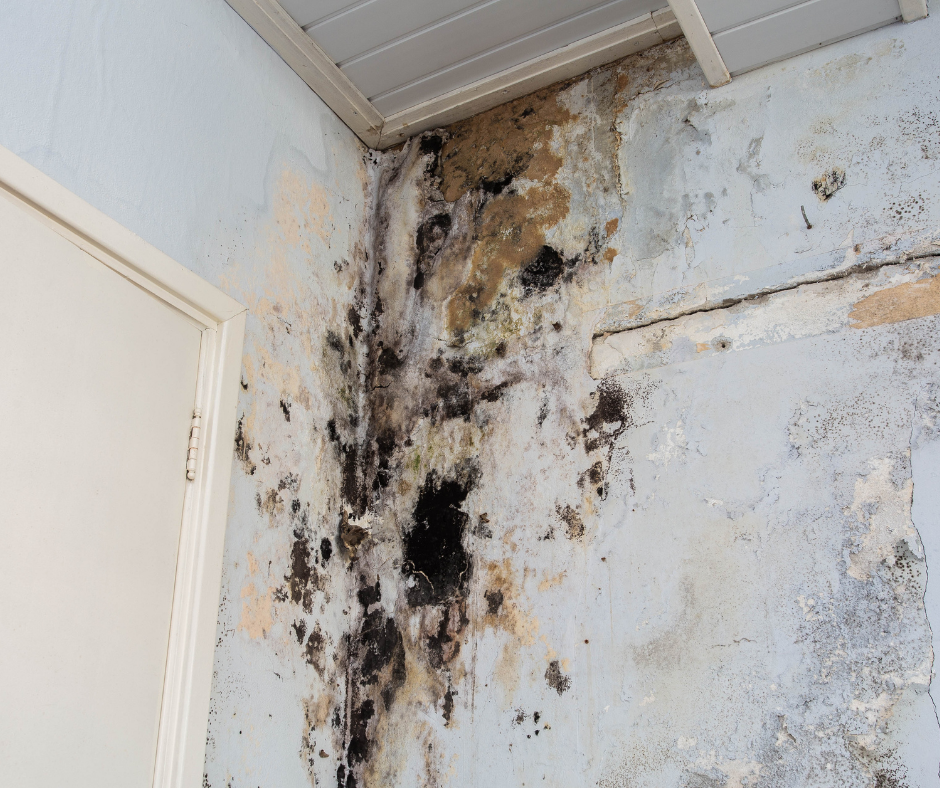 Mold damage is sneaky, fast, and costly—but preventable. Environmental testing helps catch moisture issues early, prevents structural damage, protects your health and indoor air quality, and reduces insurance and legal risks. From spotting hidden leaks to defending your property value during a sale, timely testing is one of the smartest investments you can make.
Mold isn’t just an eyesore. It’s a silent invader that can cause major property damage, ruin indoor air quality, and trigger serious health issues. Left unchecked, mold can undermine structural integrity and reduce property value by up to 37%. But here’s the good news: environmental mold testing can stop it in its tracks.

1. It Catches Hidden Moisture Before Mold Grows
Mold thrives in damp, dark spaces—behind walls, under carpets, and inside HVAC systems. The problem? You may not know there’s a leak until it’s too late. Professional testing detects hidden moisture and mold spores before they become visible, allowing you to fix leaks and ventilation problems early.
When should you test?
After a storm or water intrusion: Wait 72 hours before testing so spores reach detectable levels.
- If you see water stains or mold growth: Even a small spot could signal a larger, hidden issue.
- If you smell musty odors: Mold often hides where your eyes can’t go.
- If you experience health symptoms: Sneezing, coughing, rashes, or watery eyes that disappear when you leave home are red flags.

2. It Stops Structural Damage in Its Tracks
Mold can eat through wood, drywall, insulation, and flooring in as little as 24–48 hours after water exposure. Early testing helps prevent serious damage—saving you from gutting entire rooms or rebuilding sections of your home. It also alerts you to leaks that will recur during the next storm if not addressed.
 3. It Keeps Mold From Spreading
Mold spores travel through air ducts and open spaces. Without proper testing, you could miss contaminated areas—or worse, spread spores during cleanup. A mold inspection maps out exactly where the issue lies, so remediation can be precise and effective.
4. It Reduces Insurance and Legal Risk
Unaddressed mold can void insurance claims or lead to lawsuits if occupants fall ill. Testing creates a documented timeline, proving you took responsible action to detect and address the problem.

5. It Protects Indoor Air Quality
Mold releases airborne spores and mycotoxins that can linger for months. Bathrooms, kitchens, and basements are common hotspots—especially after plumbing issues. Testing ensures you’re breathing clean air and protects your HVAC system from becoming a mold superhighway.
 6. It Maintains Property Value
Whether you’re buying or selling, mold is a deal-breaker. Inspections are often limited to HVAC, electrical, and plumbing—but skip environmental hazards. Nearly 47% of U.S. homes have visible mold or a moldy odor. Routine testing proves your space is safe, clean, and worth the asking price.
Sellers: Test before listing to avoid last-minute deal breakers.
Buyers: Test before purchase to protect your investment and negotiate repairs.
7. It Helps You Prepare for Insurance Claims
If water damage strikes, take immediate action:
• Contact your insurance agent and document everything—photos, videos, communication.
• Understand the difference between “flood” and “water damage” in your policy.
• Hire an unbiased, certified testing firm before and after repairs to ensure no mold or air quality issues remain.
Final Word: Don’t Guess—Test.
Mold is fast-moving and stealthy. Testing gives you the upper hand, protecting your home, health, and wallet. Whether you’ve had recent water damage or just suspect something’s off, call in the pros and act early.
Peace of mind starts with a test. Don’t wait until it’s visible—by then, it’s already a problem.


